Eighteen products, each specified to the entry it has to serve
Every product below sets out how it works, where it fits, what it is good at and the conditions it suits — so you can narrow the choice before we survey your site.
Not sure which applies? The quickest route is a short call — tell us vehicles per hour at your busiest half hour, whether the gate is manned, and the lane width, and we can usually narrow it to one or two options on the phone. Get in touch →
Choosing
How to narrow the options down to one
Four questions decide almost every boom barrier specification. Answer them before comparing prices and the shortlist usually collapses to one or two products.
Question 01
How many vehicles, at the peak?
Count arrivals in your busiest half hour, not the daily total. Under roughly one vehicle a minute with a guard present, a manual barrier can cope. Above that, or where vehicles queue onto the road, you need an automatic barrier and a credential that does not require the driver to stop.
Question 02
How wide is the lane, measured?
Measure the clear opening on site. Kerbs, drainage channels, gate posts and planters routinely reduce usable width by half a metre or more against the drawing. Boom length follows that measurement, and a longer boom requires a drive and structure sized for it — not the same unit with a longer arm bolted on.
Question 03
Is the gate manned, and when?
A permanently manned gate can run on guard release. A gate that is unmanned at any point in the day or night cannot — that is a security gap no amount of servicing closes, and it is the point at which a credential and a controller stop being optional.
Question 04
Who needs access, and do you need a record?
Residents, staff, contractors, tenants, goods vehicles and visitors rarely deserve the same treatment. If you also need to answer "who came through at 11pm", you need a controller holding a register, not just a barrier that lifts.
Two further considerations come up on almost every survey in Pune. The first is safety exposure: if pedestrians or two-wheelers share the opening — normal at society and hospital gates — safety beam sensors are part of the barrier, not an accessory, and should be verified with real vehicles at commissioning. The second is stacking space. A parking entry that queues onto a public road becomes a traffic problem regardless of how fast the barrier cycles, so the distance available for waiting vehicles has to be checked before the barrier position is fixed.
If you already have a barrier, the question changes from which product to buy into whether yours will carry more duty. Where the housing, drive and mountings are sound, adding RFID or proper safety devices is usually the better value, and we will say so. Send us the site details and we will tell you which of the products below applies.
Product 01
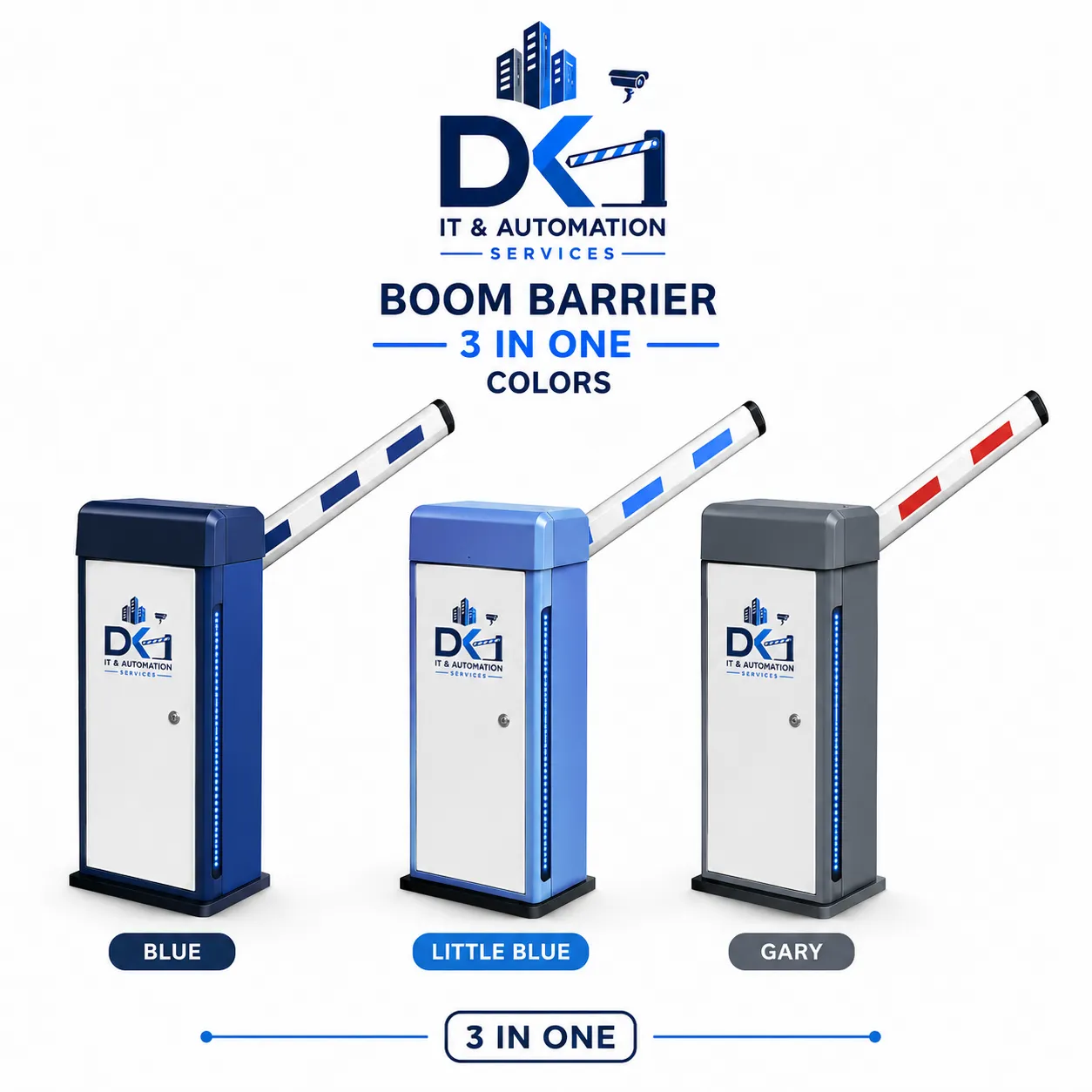
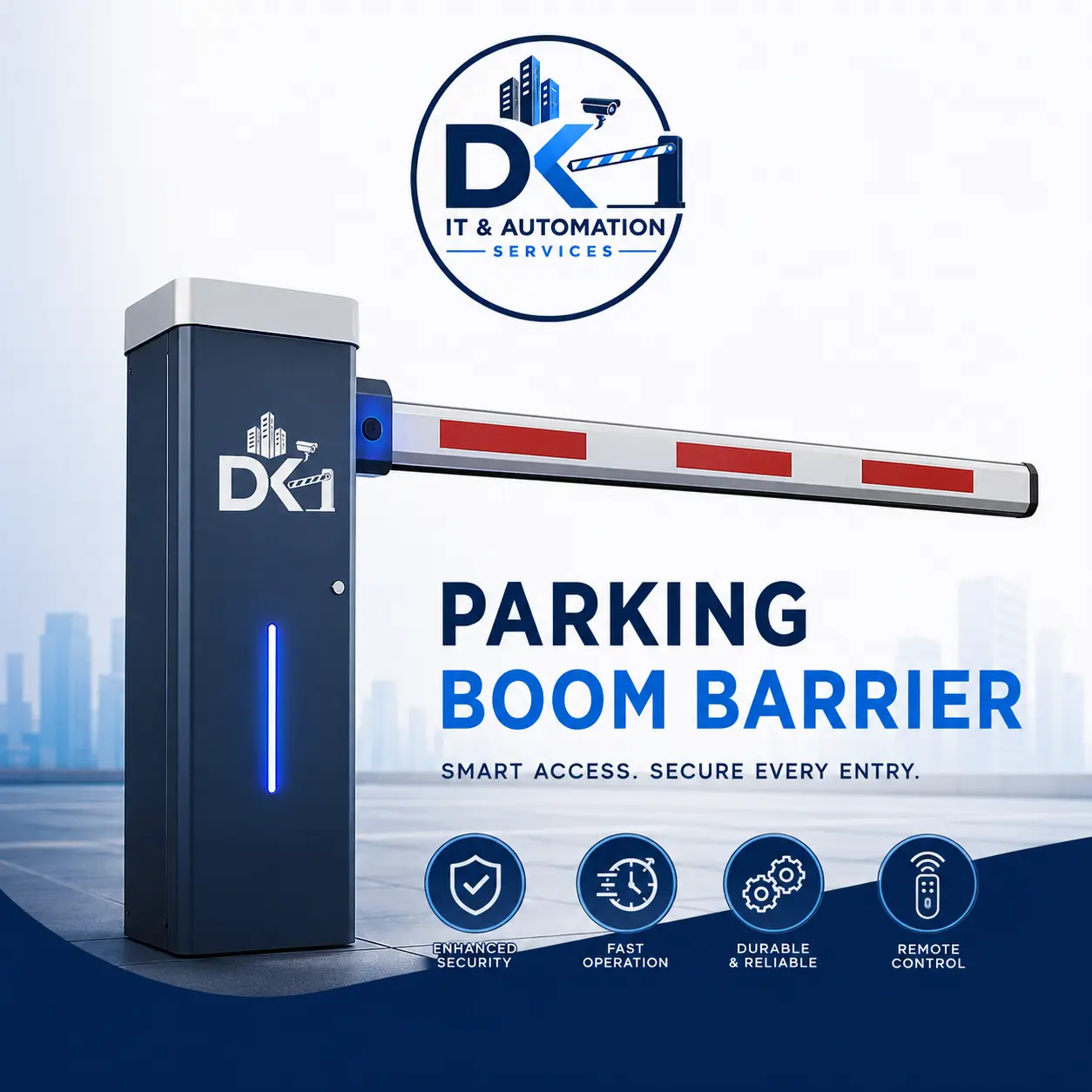
Automatic Boom Barrier
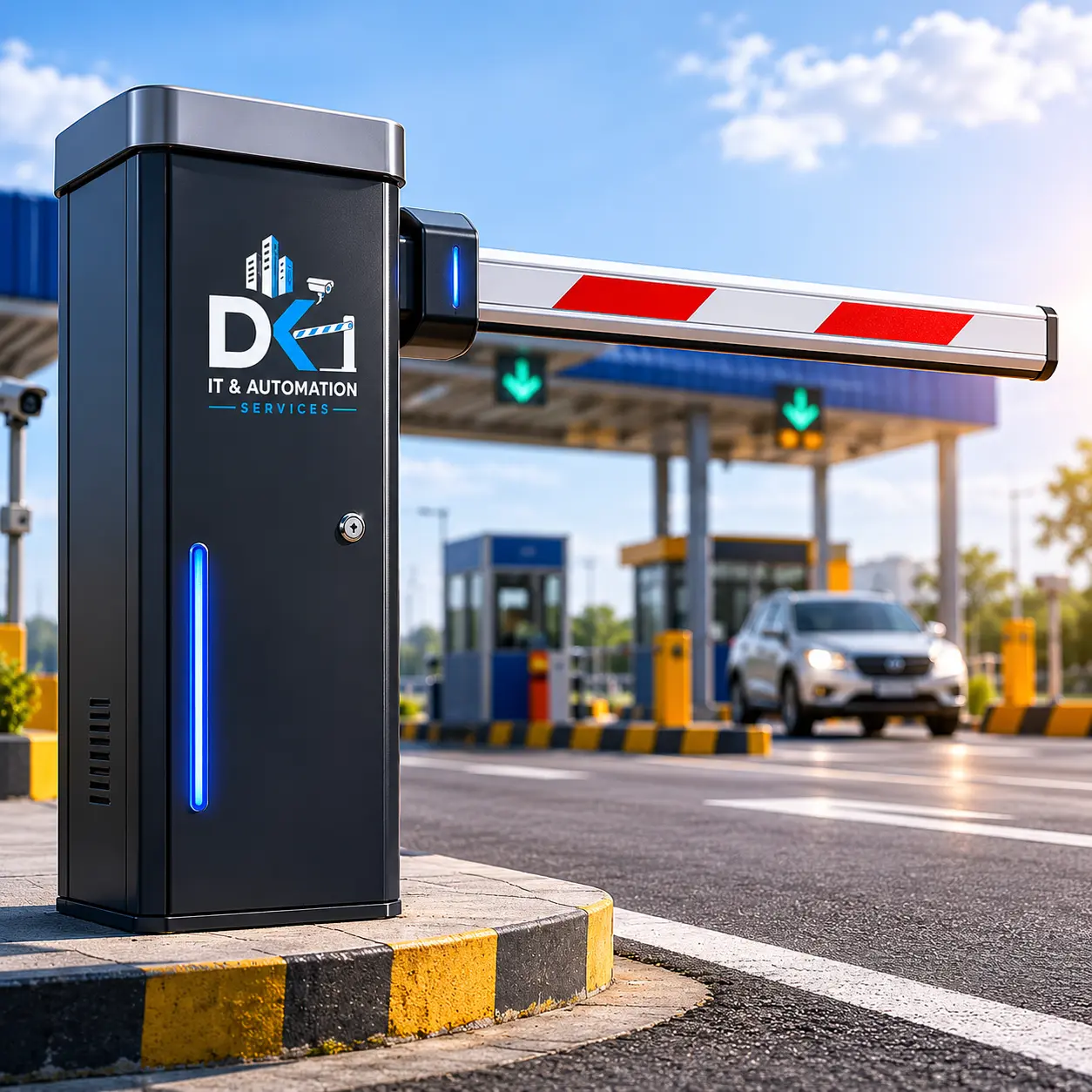
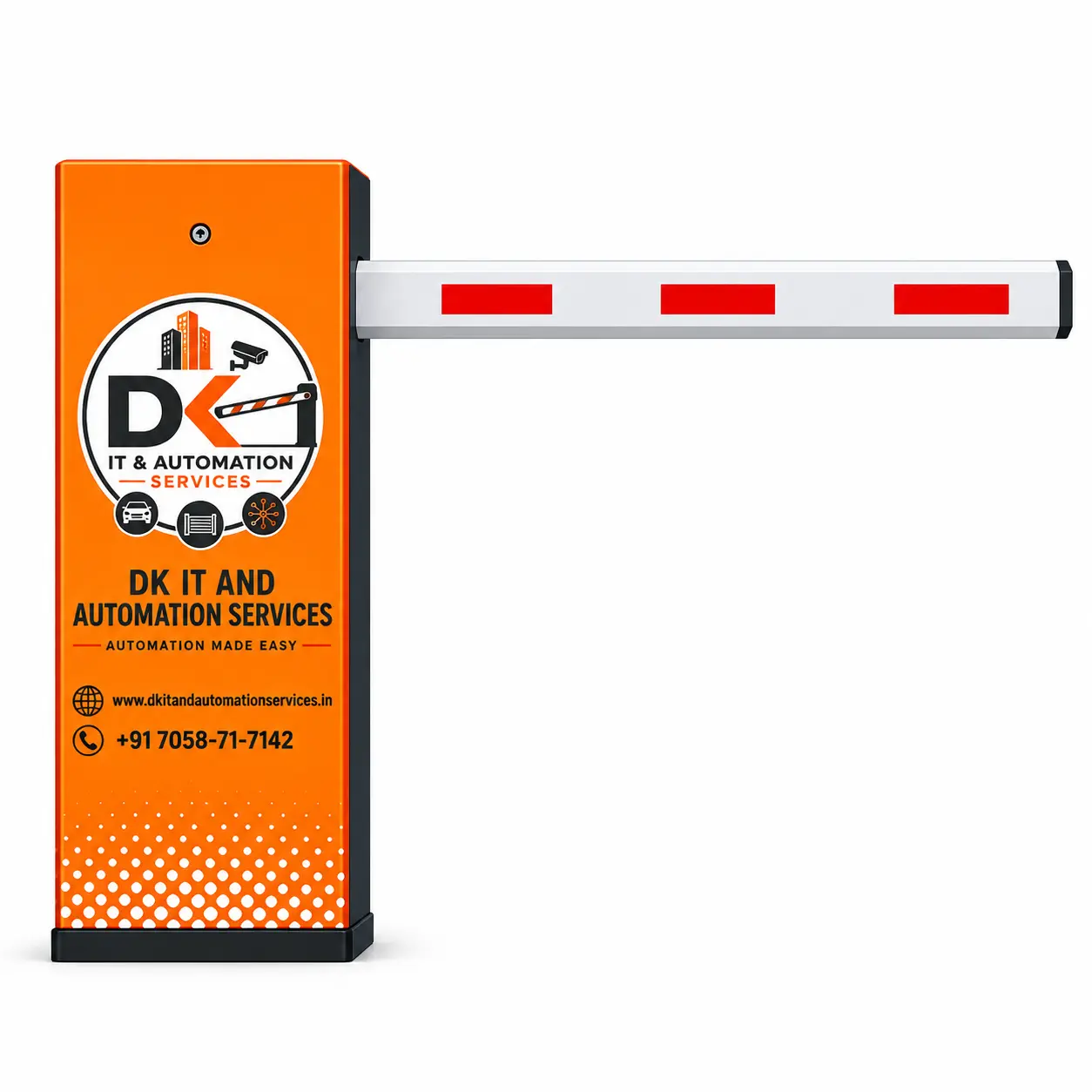
A motorised barrier that lifts and lowers on command from a remote, an access card, a loop detector or an RFID reader. It is the default choice for any entry where vehicles arrive faster than a guard can comfortably respond, or where the gate has to stay controlled while unmanned.
How it works
The drive unit sits inside a housing beside the lane and rotates a counter-balanced boom through roughly ninety degrees. A controller inside the housing accepts inputs — a button, a tag read, a loop detector sensing a vehicle — and decides when to open, how long to hold and when to close. Safety devices interrupt the close command if anything is in the lane.
Typical applications
Corporate and IT park entries
Residential society gates
Parking basements and podiums
Factory and warehouse gates
Benefits
Removes the queue caused by manual lifting
Keeps the entry controlled when unmanned
Pairs with cards, tags or plate recognition
Logs entries when used with a controller
Suitable environments
Any entry with regular traffic, mains power at the gate and a lane wide enough for the boom length required.
A counter-balanced arm raised and lowered by hand, held by a lock-down catch. Low cost, very little to go wrong, and entirely dependent on someone being there to operate it.
How it works
The boom is balanced by a spring or weight so that a single person can lift it easily. A catch holds it in the closed or open position. There is no drive, controller or power requirement, which is exactly why it survives in places where automation would be over-specified.
Typical applications
Service and rear gates
Standby lanes beside an automatic entry
Sites with a permanently manned guard post
Temporary or seasonal access points
Benefits
Lowest purchase and running cost
No power supply needed at the gate
Very few wear components
Useful backup if an automatic lane is serviced
Suitable environments
Lightly used lanes with a guard always on duty. Not suitable where traffic is heavy or the gate is unmanned at any point in the day.
An automatic barrier paired with long-range UHF readers so that a registered vehicle is identified as it approaches and the boom is already open when it arrives. Nobody stops, nothing is handed over, and every entry is recorded against a credential.
How it works
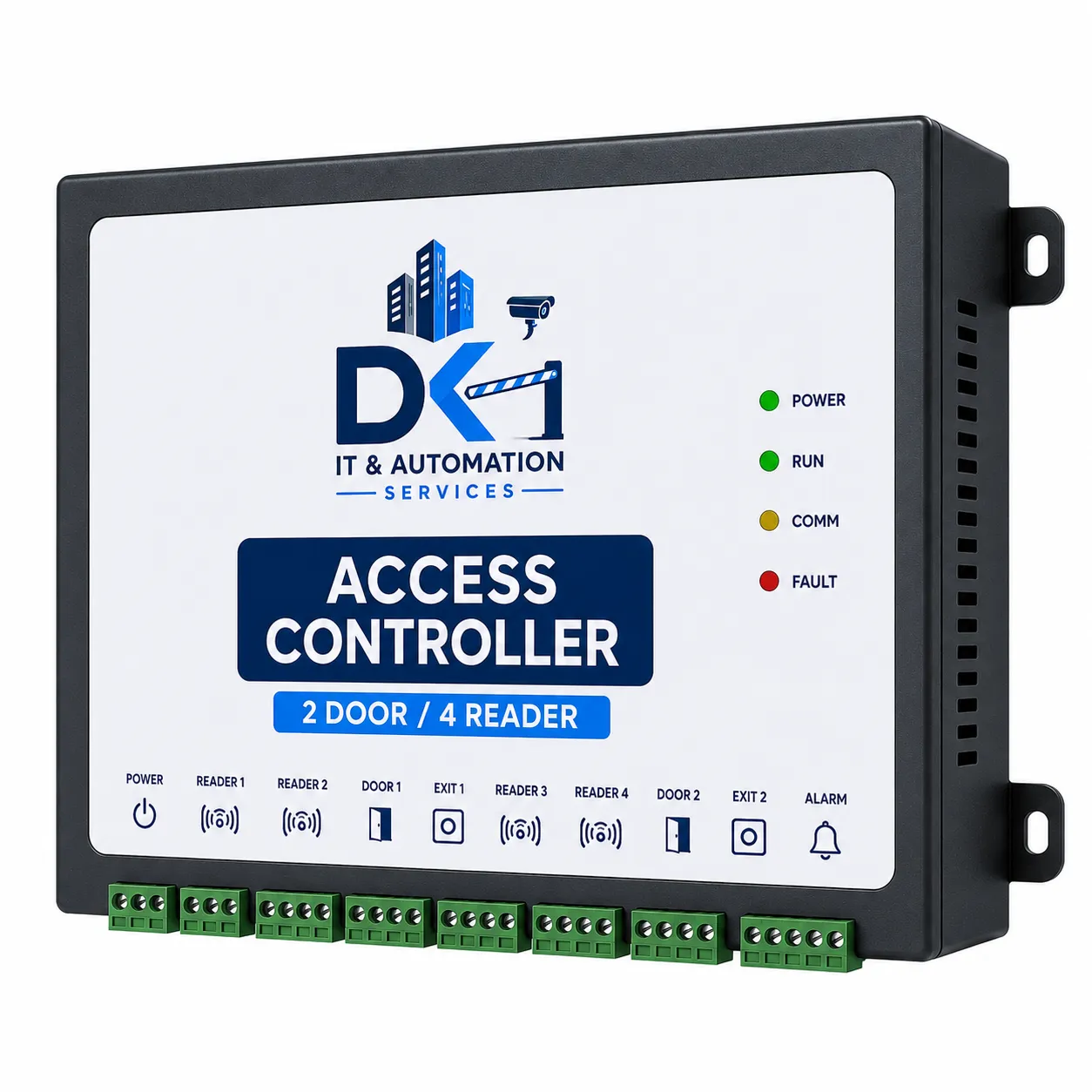
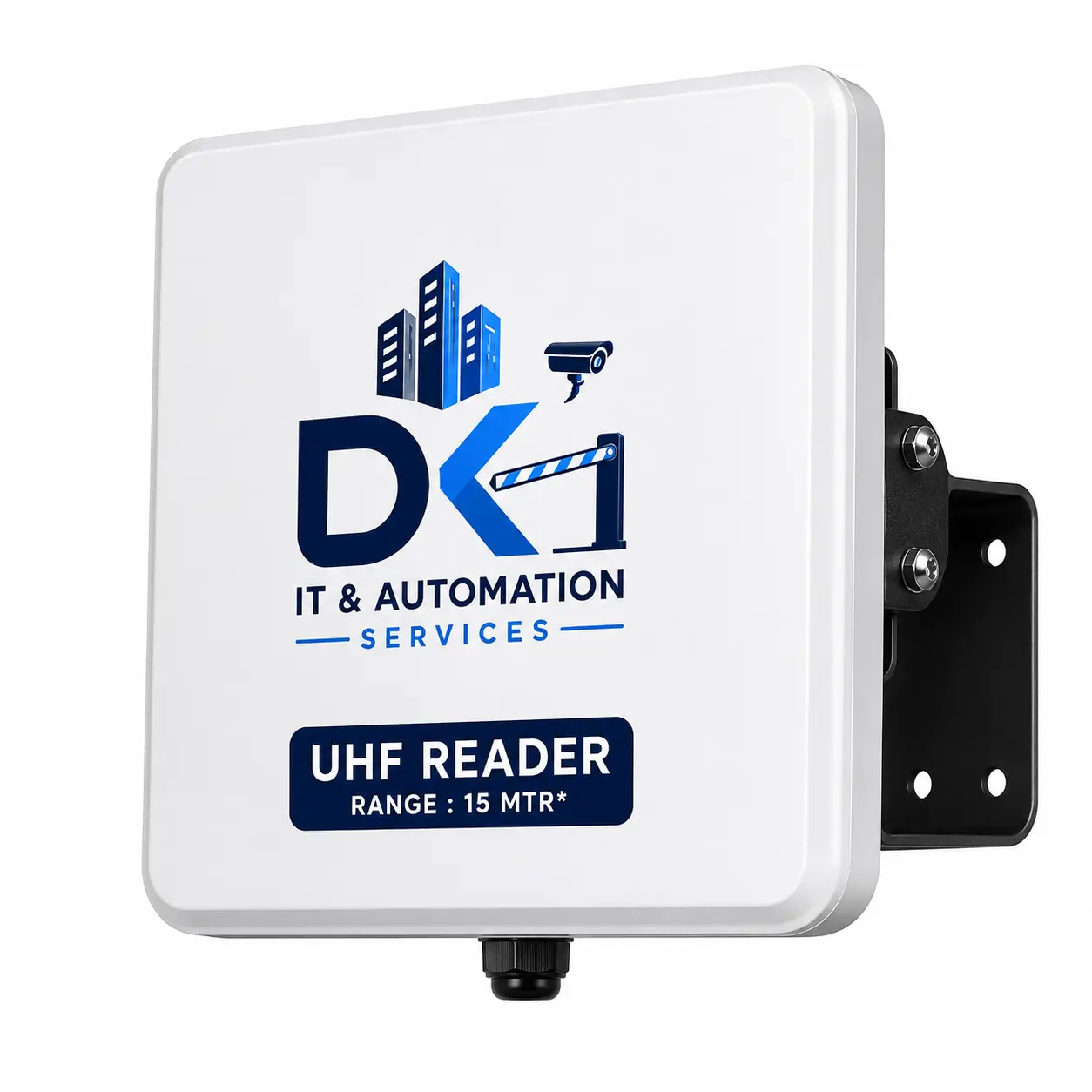
A tag on the windscreen or a hard tag on the vehicle is read by a UHF antenna positioned beside the lane. The reader passes the identifier to an access controller, which checks it against the register of permitted vehicles and instructs the barrier. Read range is matched to the approach so the boom opens in time without picking up vehicles in the next lane.
Typical applications
IT park and campus tenant lanes
Society resident lanes
Corporate staff parking
Logistics yards with regular vehicles
Benefits
Highest throughput per lane of any credential
No driver interaction, so no window-down delay
Entry records tied to a specific vehicle
Can be retrofitted to a sound existing barrier
Suitable environments
Lanes with a reasonably straight approach and a defined set of regular vehicles. Visitor traffic is normally handled on a separate lane or by the guard.
Entry and exit lane control for parking areas, built around throughput. The barrier is one part; lane layout, credential type and stacking space decide whether your gate backs up onto the road.
How it works
Entry and exit are normally separated, each with its own barrier and reader or ticket unit. Loop detectors confirm a vehicle is present and clear before the boom closes. Residents and staff use tags or cards; visitors use tickets or a guard-issued credential, with the controller distinguishing between them.
Typical applications
Shopping mall and commercial basements
Office podium and multi-level parking
Society parking with resident and visitor flows
Hospital paid parking
Benefits
Cycle time matched to peak arrival rate
Separate handling of regular and visitor vehicles
Safety devices prevent closing on a stopped vehicle
Occupancy and entry records where required
Suitable environments
Basements, podiums and surface parking with room for vehicles to wait clear of the public road.
The complete assembly supplied as one package — housing, drive, boom, controller, safety devices and the accessories that make it operable — rather than a barrier you then have to make work.
How it works
Specifying the gate as a system avoids the common failure of a good barrier with no safety beam, or a controller that cannot accept the reader eventually chosen. Everything is selected together, wired to a documented cable schedule and commissioned as a unit.
Typical applications
New site entrances built from scratch
Replacement of an unreliable mixed installation
Projects where one supplier is preferred for the whole gate
Benefits
One responsibility for the whole entry
Compatible controller, reader and safety devices
Documented wiring, so future faults are quick to trace
Single commissioning and handover
Suitable environments
New builds and full replacements where the entry is being set up or rebuilt rather than patched.
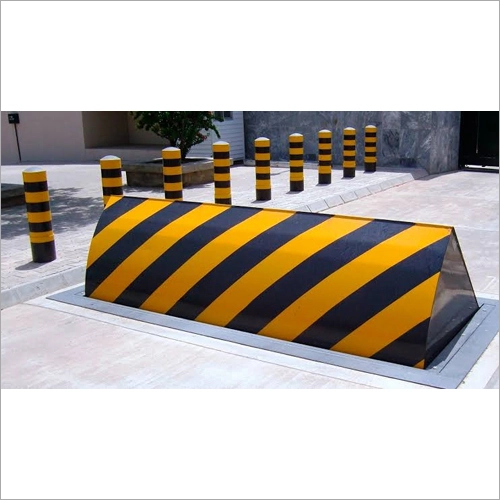
A barrier arrangement for entries where control matters more than convenience: guard-post release, lane interlocking and, where the risk justifies it, a physical arrest device behind the boom.
How it works
A boom is a control device — it tells drivers to stop and records who was authorised. Where forced entry is a genuine concern, a road blocker or similar device is specified alongside it so routine traffic still flows against the boom while the harder layer stays available.
Typical applications
Sensitive commercial and institutional entries
Sites with a defined forced-entry concern
Entries requiring guard verification of every vehicle
Benefits
Verification kept in human hands where required
Interlocking prevents two vehicles passing on one release
Layered with physical arrest devices when justified
Clear record of who released each vehicle
Suitable environments
Entries where the security posture is set by policy rather than by traffic convenience.
Continuous-duty drives, stiffened booms and housings that tolerate dust and washdown — specified for truck gates, plants and logistics yards where a commercial-grade unit would not survive the duty.
How it works
Heavy-duty units differ in the drive rating and the boom structure rather than in appearance. Longer booms need stiffening to avoid sag and vibration damage, and gates that cycle for every truck movement need a drive rated for that frequency rather than for occasional use.
Typical applications
Factory materials and shift-change gates
Warehouse and logistics yard entries
Wide lanes needing long booms
Sites with dust, heat or frequent washdown
Benefits
Rated for continuous cycling
Long booms without sag or vibration failure
Housings suited to industrial conditions
Fewer breakdowns on the gates that cost most when stopped
Suitable environments
Industrial gates with goods vehicles, wide lanes and high cycle counts.
A barrier operated and monitored from software rather than only from hardware — remote open and close, event logs and status visibility for the person responsible for the site.
How it works
The controller is networked so that operation and status are available from a workstation or application. Entries and exits are logged with a timestamp and credential, and faults or offline states are visible without walking to the gate.
Typical applications
Multi-gate campuses managed centrally
Sites where security is monitored remotely
Entries needing auditable access records
Benefits
Remote operation without a person at the gate
Event history for dispute resolution
Fault visibility before a breakdown is reported
Integrates with wider site systems
Suitable environments
Sites with network availability at the gate and someone responsible for monitoring it.
A barrier specified around the credential rather than the arm: cards, long-range tags, PIN or plate-based identification deciding which vehicles may pass and when.
How it works
The question answered here is not "how do we block the lane" but "who is allowed through, on what credential, at what times". The controller holds the register and the schedule; the barrier simply acts on its decision.
Typical applications
Mixed staff, contractor and visitor sites
Entries with time-restricted access
Buildings issuing credentials to tenants
Benefits
Access by identity, not just by presence
Time and day restrictions where needed
Credentials revoked without changing hardware
Records tied to individual vehicles or users
Suitable environments
Any entry where the list of permitted vehicles changes over time and needs managing.
A boom barrier working alongside an existing automatic gate to create a staged, two-stop entry — the barrier handling routine traffic so the heavier gate cycles far less often.
How it works
The barrier is placed ahead of or behind the sliding or swing gate and interlocked with it. Routine authorised vehicles are handled by the fast-cycling boom, while the main gate opens only when genuinely required, which extends its life and speeds up the entry.
Typical applications
Sites with an existing automatic gate under strain
Entries needing a holding area between two devices
Premises wanting a fast lane without replacing the gate
Benefits
Reduces wear on the main gate
Much faster routine entry
Creates a controlled holding space
Uses equipment already installed
Suitable environments
Existing gated entries where the main gate is the bottleneck or is cycling too often.
Cast aluminium reflective studs set into the carriageway to keep lane lines, edges, ramps and turning points visible at night and in rain. Dimension: 100 × 100 × 20 mm.
How it works
A metal body carries reflective lenses on the faces presented to traffic. Light from a headlight entering the lens is returned towards the driver, so the stud marks the line without any power supply or cabling. The body is fixed into the road surface so that vehicles pass over it rather than around it.
Typical applications
Society and campus internal roads
Basement ramps and parking aisles
Approach lanes to a boom barrier or gate
Factory and warehouse yards
Benefits
No power supply, wiring or maintenance schedule
Stays visible in rain and low light
Metal body takes repeated vehicle loading
Holds lane discipline where painted markings wear away
Suitable environments
Surfaced roads, ramps and aisles where a permanent fixing can be made into the surface.
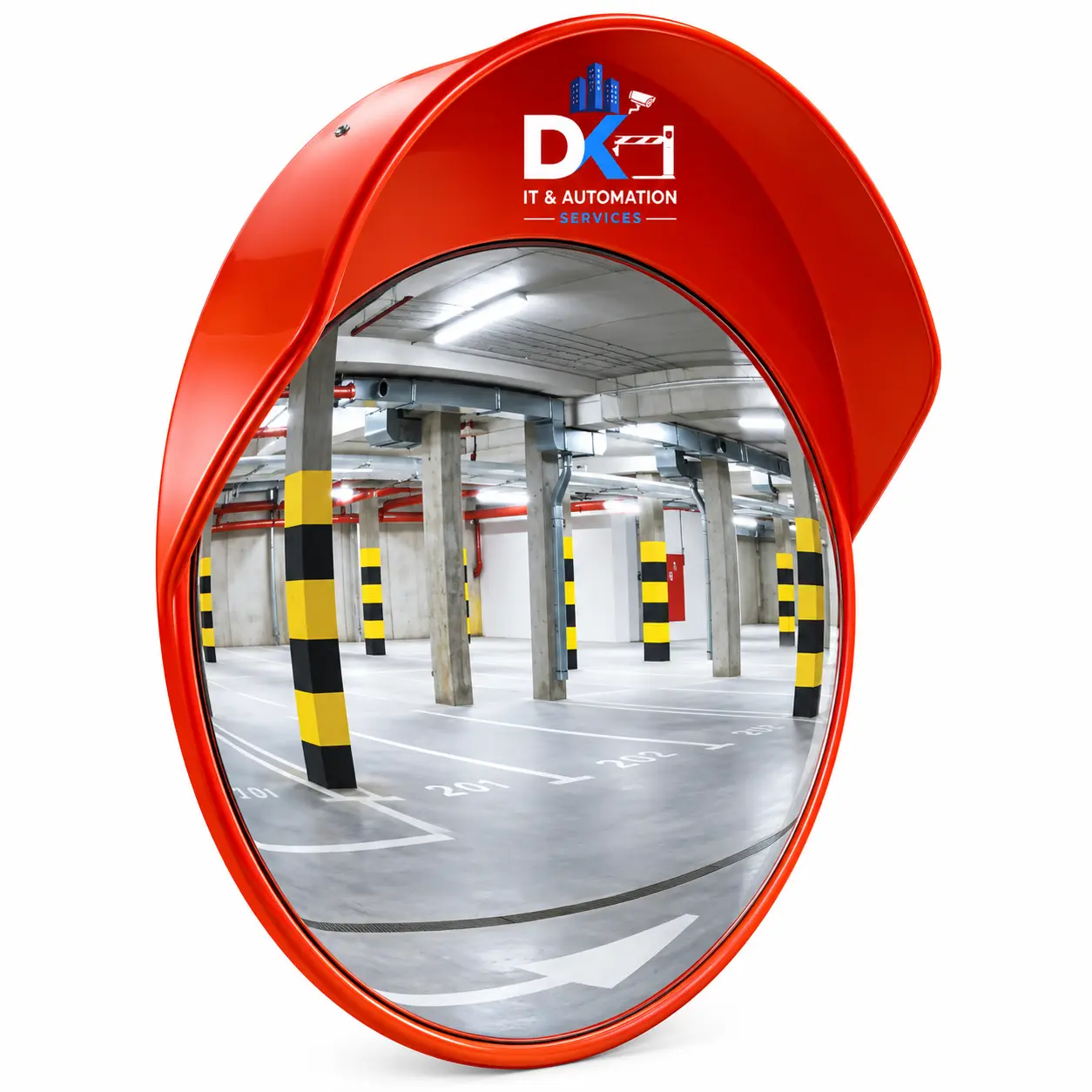
A wide-angle convex mirror that opens up the view at a blind corner, ramp head or gate exit, so a driver can see what a wall or column hides.
How it works
The curved reflective face compresses a wide field of view into one glance, and the hood shades it against direct rain and glare. It is mounted on a wall, column or pole at the point where the sightline is blocked, angled to cover the movement that actually causes the conflict.
Typical applications
Basement ramp turns and aisle intersections
Blind corners inside parking areas
Gate exits onto a public road
Warehouse aisles and loading yards
Benefits
Removes a blind spot without rebuilding anything
No power supply required
Helps drivers and pedestrians at the same point
Hood limits rain and direct glare on the face
Suitable environments
Indoor and outdoor positions with a firm wall, column or pole to mount against.
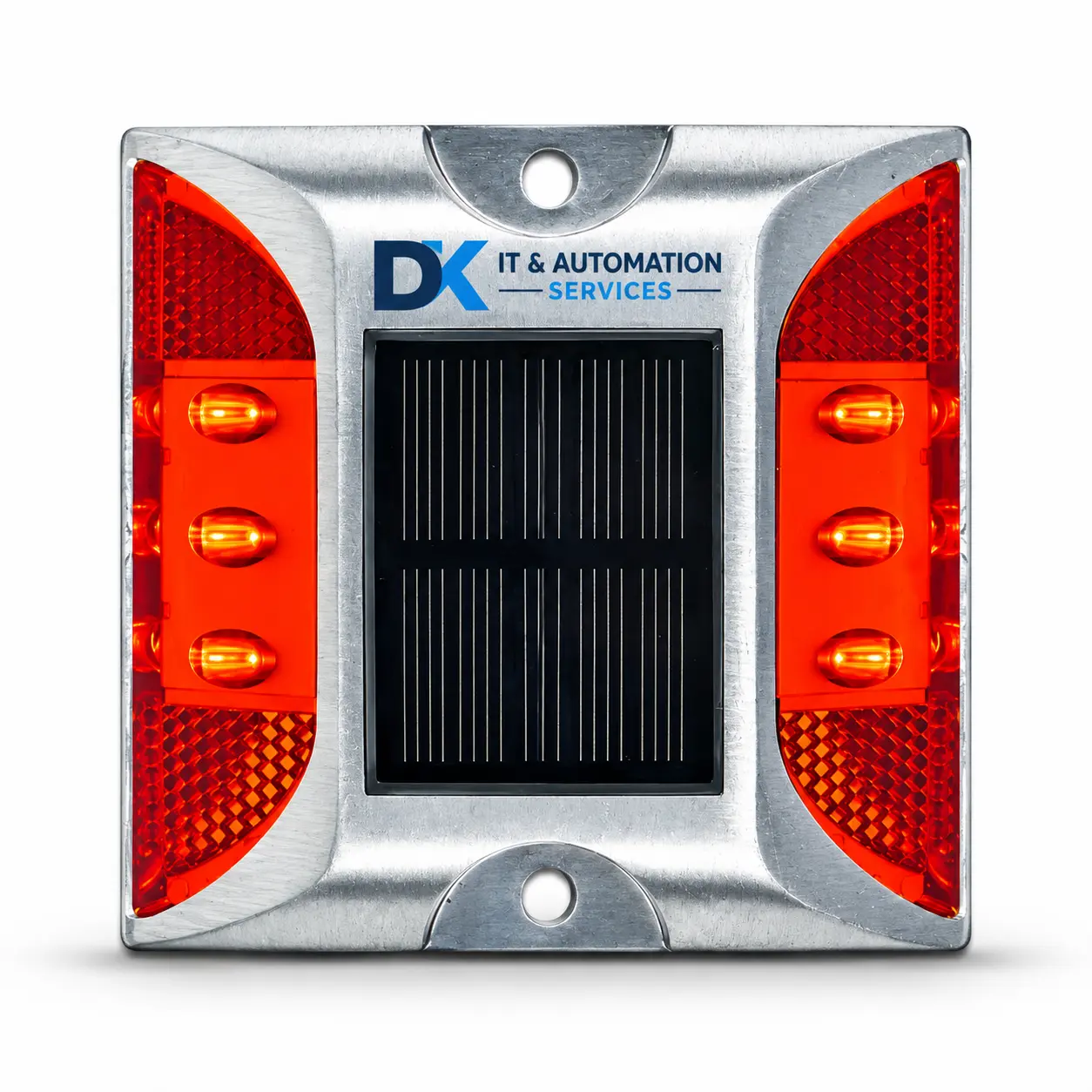
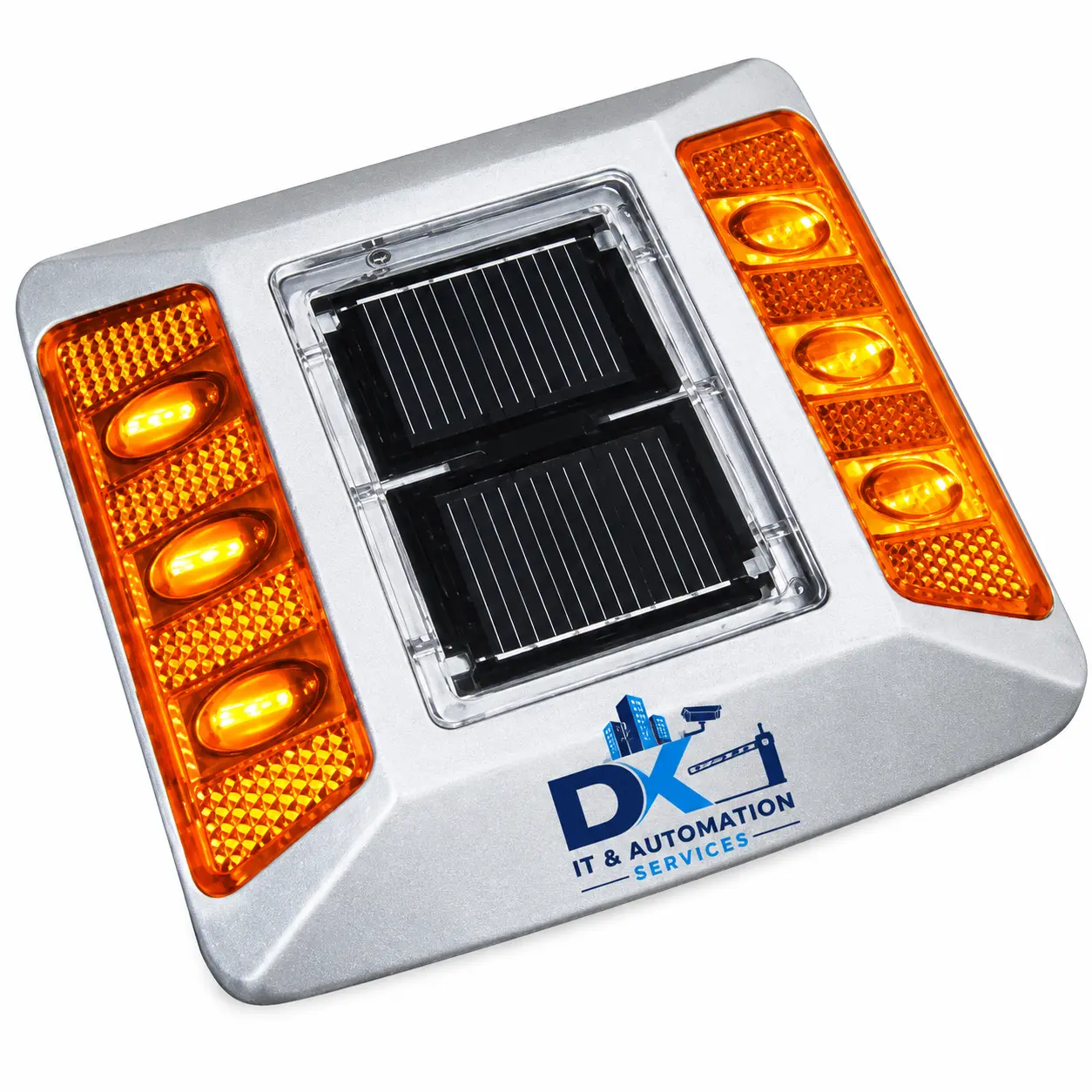
An LED road stud with its own solar panel and battery — it charges through the day and actively lights the lane after dark. Supplied without a shank for surface fixing. Dimensions: 100 × 100 × 20 mm.
How it works
The integrated panel charges an internal battery while there is daylight. When ambient light drops, the LEDs light so the stud emits light rather than only reflecting it. Because there is no shank, it is fixed to the prepared surface instead of being cored deep into the road.
Typical applications
Unlit approach roads and internal campus roads
Ramp edges and level changes
Approach lanes to a barrier or toll point
Society and factory gate approaches
Benefits
Active light is seen far earlier than reflection alone
No mains cabling or trenching
Surface fixing avoids deep coring
Marks the lane before the driver reaches the barrier
Suitable environments
Outdoor positions that receive daily sunlight, on a sound surface suitable for fixing.
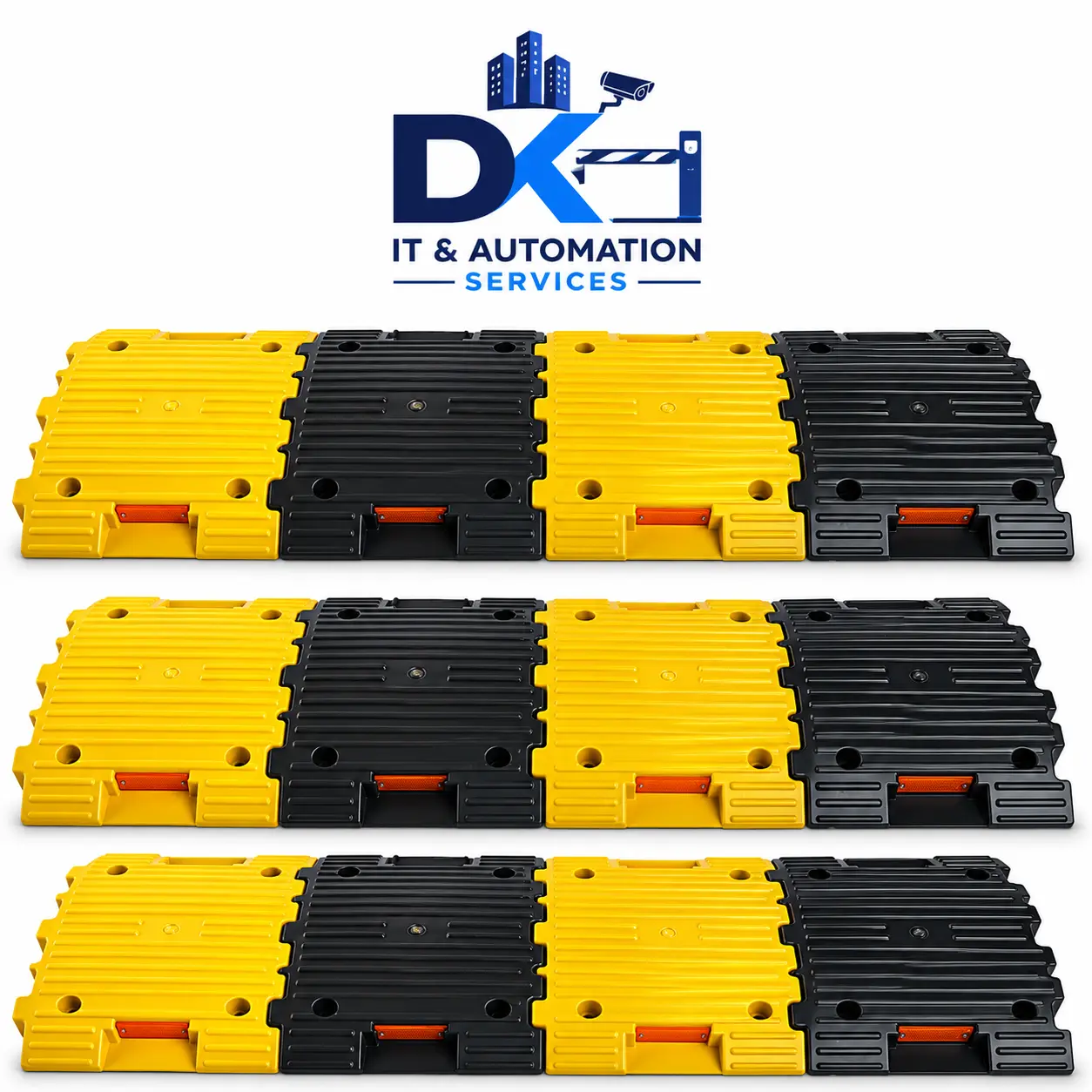
Modular moulded plastic speed breaker sections that bolt to the road surface and enforce a slow approach speed. Size: 350 × 250 × 50 mm per section. Colours: yellow and black.
How it works
Sections interlock across the lane to the width you need and are bolted down to the surface. The alternating yellow and black run reads clearly in daylight, and the reflective inserts keep it visible at night, so drivers slow before they arrive rather than at the barrier.
Typical applications
Barrier and gate approach lanes
Basement ramps and parking entries
Society and campus internal roads
Factory yards and pedestrian crossing points
Benefits
Slows vehicles before they reach the boom
Modular — laid to the exact lane width
Removable and relocatable, unlike a concrete hump
Daytime and night-time visibility built in
Suitable environments
Any surfaced lane where the sections can be bolted down.
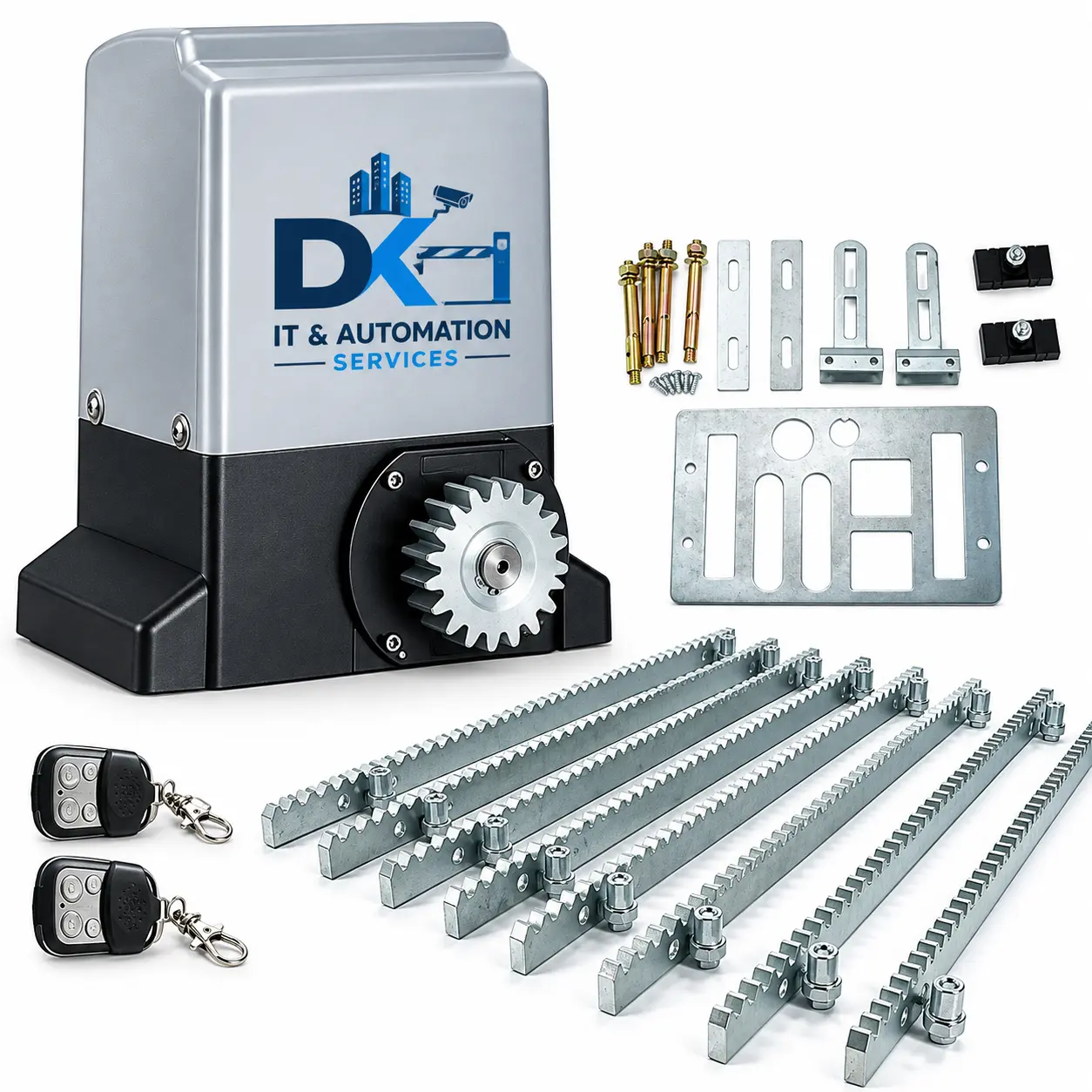
A rack-and-pinion drive that opens and closes a sliding gate on command, supplied with rack sections, mounting hardware and remote handsets.
How it works
The motor unit is fixed on a foundation beside the gate and drives a toothed rack mounted along the gate leaf. Limits define the open and closed positions. The trigger can be a remote handset, a guard-post button or an access control release, and safety devices stop travel if the opening is obstructed.
Typical applications
Society, bungalow and campus gates
Factory and warehouse entries
Service gates that are opened repeatedly through the day
Staged entries where a boom handles routine traffic and the gate opens only when needed
Benefits
Removes manual pushing of a heavy leaf
Triggered from a remote, a guard post or access control
Pairs with a boom barrier to create a fast lane
Safety devices protect the moving opening
Suitable environments
Gates on a level, well-supported track with power available at the gate.
DKA-SFB 26 is a model in the DK IT AND AUTOMATION SERVICES barrier and vehicle access equipment range, supplied, installed and maintained by us across Pune and Maharashtra.
How it works
The unit is specified against the entry it has to serve rather than sold from a catalogue line. We confirm the model configuration, control options and accessories in writing after the site is surveyed, so what is quoted matches the lane, the traffic and the way the gate is operated.
Typical applications
Commercial and IT park entries
Residential society gates
Parking entries and exits
Factory and warehouse access points
Benefits
Supplied, installed and supported by one team
Configuration matched to the surveyed entry
Serviced locally across Pune and Pimpri Chinchwad
Written specification and quotation before order
Suitable environments
Confirmed on survey. Model-level specifications are issued in writing on enquiry rather than published as generic figures here.
DKA-SFB 27 is a boom barrier model in the DK IT AND AUTOMATION SERVICES range, supplied with installation, commissioning and local service support.
How it works
The housing sits beside the lane and the counter-balanced boom is driven through roughly ninety degrees on command from a remote, a button, a loop detector or a reader. The exact configuration — boom length, control inputs and safety devices — is fixed against the measured lane and the traffic it carries.
Typical applications
Society and campus gate entries
Corporate and commercial parking lanes
Factory and warehouse gates
Entries that must stay controlled while unmanned
Benefits
Installed and commissioned under load, not just delivered
Accepts remote, button, loop or reader control
Safety devices verified with real vehicles at handover
Spares and service available locally
Suitable environments
Confirmed on survey. Model-level specifications are issued in writing on enquiry rather than published as generic figures here.
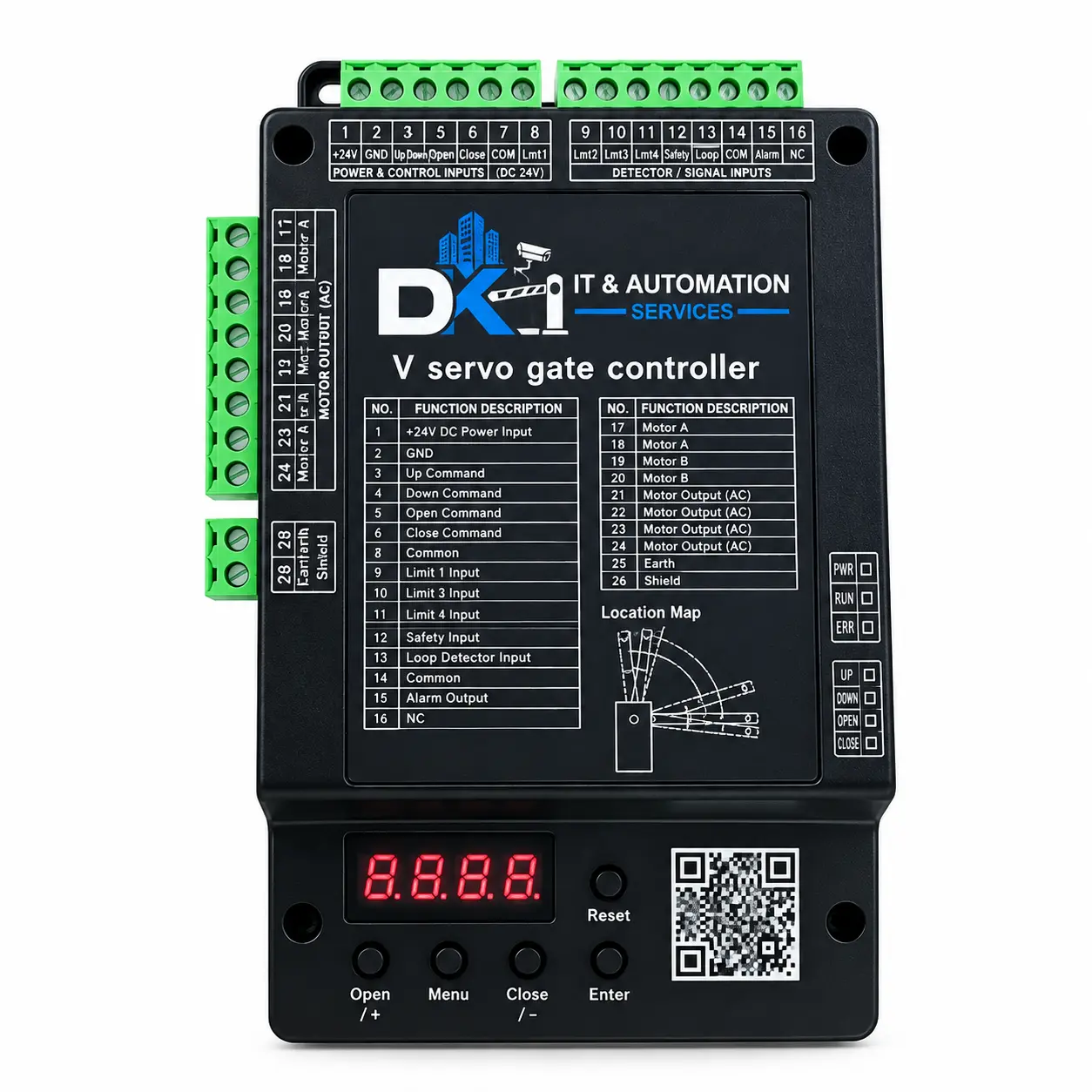
The controller board for a DC boom barrier — the part that reads every input and drives the motor. Supplied for new builds, as a replacement when a board has failed, and as a held spare.
How it works
The card accepts the open, close and stop commands, the limit signals from the drive, the loop detector and the safety devices, and an access control release where one is fitted, then drives the DC motor accordingly. Timing such as hold-open duration and the behaviour on an obstruction is configured at commissioning.
Typical applications
Replacing a failed board in an installed barrier
Upgrading an existing barrier to accept RFID or access control
Spares holding for sites that cannot afford to lose a lane
New barrier builds
Benefits
Restores a working barrier without replacing housing and drive
Keeps an existing lane in service
A held spare turns a breakdown into a short visit
Configured on site rather than left at default
Suitable environments
DC boom barrier installations. Compatibility is confirmed against your existing unit before supply.
Every service below is available on equipment we supplied and, after inspection, on installations from other suppliers. See the product range or the step-by-step process.
Service 01
Boom Barrier Installation
What it involves
Site survey, foundation and housing mounting, conduit and cable routing, terminations at the controller, reader and sensor positioning, commissioning under load and operator handover with the configured settings documented.
Where it is useful
Any new barrier, and any replacement where the previous unit failed early. Most barrier failures we are called out to repair trace back to installation rather than the equipment — foundations that shift, cabling run the shortest visible route instead of in conduit, or safety devices left out.
What you get from it
The barrier seats correctly for its whole life, a future fault is a twenty-minute diagnosis instead of a day of tracing, and the people operating the gate know how it behaves before you rely on it.
Planned preventive visits: mechanical inspection and lubrication, boom alignment and balance, electrical terminations, loop and sensor verification, controller and reader behaviour, and a cycle test under normal traffic. Anything replaced is recorded.
Where it is useful
Every barrier at a regularly used entry. The servicing interval should follow cycle count rather than the calendar alone — a mall parking entry works far harder than a factory gate that opens at shift changes.
What you get from it
Alignment and balance drift are caught before they load the drive on every cycle. A written service log per barrier also shows which lane is consuming your budget, which is usually what justifies upgrading one lane instead of repeatedly servicing all of them.
On-site diagnosis followed by component-level repair of drives, gearboxes, controllers, boom assemblies, loop detectors and safety devices — including equipment originally supplied by another company.
Where it is useful
When a barrier stops mid-cycle, closes on vehicles, fails intermittently in the rain, or has been out of service long enough that the gate is being propped open.
What you get from it
If the housing and mountings are sound, repair is usually the economical route and we will say so. Where it is not, you get the numbers rather than an assertion.
Fault diagnosis by phone and on site, guidance for your security team on day-to-day operation, credential and controller administration help, and advice when requirements change.
Where it is useful
Sites where the guard changes regularly, or where nobody on site owns the access system. A support arrangement stops small operational problems being escalated as equipment failures.
What you get from it
A number that reaches people who know your installation, and a documented configuration so support does not start from guesswork.
Long-range UHF reader selection and positioning, tag issue, access controller configuration, integration with existing card systems or site software, and commissioning verified with the vehicles that will actually use the lane.
Where it is useful
Any lane where you want registered vehicles to keep moving. Also the standard route for upgrading an existing sound barrier without replacing it.
What you get from it
Read performance on paper and read performance at your gate are different things. We position for the dominant vehicle class, verify on site and adjust mounting before handover.
Barriers linked with access control, safety devices, guard-post controls and, where required, camera events — specified as one system with a documented cable schedule and interlocking logic.
Where it is useful
Entries where the barrier is part of a security posture rather than a convenience: sensitive commercial sites, institutions and premises with a policy on who may enter and how it is evidenced.
What you get from it
Credential, control device, physical layer and safety interlock behave predictably together instead of being bolted on in sequence over several years.
Entry and exit lane design, cycle-time matching to peak arrival rate, tag or ticket-based flow, loop and safety device layout, and stacking space assessment so queues stay off the public road.
Where it is useful
Malls, offices, hospitals and societies where parking is at or near capacity at predictable times of day.
What you get from it
Throughput is a lane design problem before it is an equipment problem. Pairing a fast barrier with a slow credential simply moves the queue; we design the pair together.
Definition and implementation of who may enter, when, and on what credential — card, long-range tag, PIN or guard verification — with the controller holding the register and schedule.
Where it is useful
Mixed sites with staff, contractors, tenants and visitors, and anywhere credentials need issuing and revoking over time.
What you get from it
Access by identity rather than by presence, revocable without touching hardware, and recorded so a dispute has an answer.
Interfacing barriers with equipment and software already on site: existing access control, visitor management, ERP or gate automation, using Wiegand, relay, serial or network interfaces as appropriate.
Where it is useful
Sites that have invested in a system and do not want a second, parallel one at the gate.
What you get from it
One credential and one register instead of two, and no manual reconciliation between systems.
Retrofitting RFID readers, safety sensors, new controllers or faster drives to existing installations, and staged replacement where several lanes are involved.
Where it is useful
Installations that work but no longer match the traffic, or that were specified before RFID and safety devices became the norm.
What you get from it
Extends the life of sound equipment and spreads cost, instead of replacing a whole entry at once.
Send the site details — peak vehicles per half hour, measured lane width and whether the gate is manned — and we will specify it. Free survey across Pune and Pimpri Chinchwad. You can also browse by the environment you are fitting.
Barriers, readers, controllers and safety devices can be supplied for export, with documentation and packing handled per order. Send your requirement list and destination and we will quote accordingly.
Because we are based in Pune, service visits across the city, Chinchwad, Pimpri Chinchwad and Hinjewadi are normally arranged within the same week, and urgent gate failures sooner. Call the number on this page and describe the fault so we bring the likely parts.
What does a maintenance visit actually include?
Mechanical inspection and lubrication, boom alignment and balance, electrical terminations, loop and safety device verification, reader and controller checks, and a cycle test under normal traffic. Replacements are recorded in the service log for that barrier.
Can you maintain barriers you did not supply?
Yes. A paid inspection first establishes condition and spare availability, then we quote either the repair or an annual arrangement. We will tell you if a unit is beyond economical support rather than billing visits against it indefinitely.
Do you offer annual maintenance contracts?
Yes. Frequency is set by cycle count rather than the calendar, so a high-traffic parking entry is visited more often than a low-use factory gate. The scope and response expectations are written into the agreement before it starts.
Is installation included when I buy a barrier?
It can be, and we recommend it. Supply-only is possible, but we prefer to install what we supply because installation quality is the single largest factor in how long a barrier lasts.
Society gates carry mixed traffic, shared decision-making and a long expected service life. The system has to be fast for residents, controlled for visitors and simple enough that a changing guard roster can operate it.
What we specify differently
Resident vehicles on long-range RFID tags so nobody stops at the gate
Visitors handled by guard release with a register, or a card issued at the booth
Two-wheeler tag position confirmed on site, since presentation height differs from cars
Manual release understood by every guard before handover, for power failures
Entry records sized for the number of registered vehicles so the system is not outgrown
Worth asking before you buy
Committees should agree the maintenance arrangement before purchase, not after the first breakdown. A society gate cycles constantly and is exposed to weather and impact.
Corporate entries usually already have credentials issued for the building. The gate should use them rather than introduce a second, parallel system nobody reconciles.
What we specify differently
Staff lane on existing access cards or tags, integrated with the building system
Separate visitor lane with reception-linked release
Time-restricted access for contractors where policy requires it
Entry records that can be tied to camera events
Reader positioning that suits the car park approach, not just the gate post
Worth asking before you buy
The deciding question is normally integration: whichever controller you choose has to accept the credential your building already issues.
Goods-vehicle lanes are wider, the vehicles are longer and reversing is normal. That changes boom length, safety device layout and how the loop detectors are positioned.
What we specify differently
Wide booms with stiffening to avoid sag on long spans
Guard verification of goods vehicles alongside automated release
Safety devices positioned for long and reversing vehicles
Loop layout that will not drop a boom on a trailer
Housings that tolerate dust and yard conditions
Worth asking before you buy
The common failure here is a barrier specified for cars on a lane that actually serves articulated vehicles.
Hospital entries mix emergency access, paid parking, staff vehicles and pedestrians who are often distracted or in distress. Safety and priority release matter more than throughput.
What we specify differently
Ambulance and emergency priority release that cannot be delayed by a queue
Paid parking control on separate public lanes
Staff credentials distinct from visitor flow
Clearly separated pedestrian routes away from the boom arc
Fail-safe behaviour on power loss, understood by security staff
Worth asking before you buy
Emergency release behaviour should be tested and documented, not assumed from the manual.
Multi-tenant commercial premises need credentials issued and revoked per occupier, with a record the building manager can rely on when there is a dispute.
What we specify differently
Tenant tag access with a visitor override at the guard post
Per-tenant credential batches so revocation is simple
Entry records tied to camera events where fitted
Time restrictions for after-hours access
A maintenance arrangement covering all lanes on the building
Worth asking before you buy
Ask how credentials are administered day to day — that, not the barrier, is what the building manager lives with.
Residential societies, corporate offices, shopping malls, IT parks, warehouses, factories, hospitals, toll plazas and commercial buildings, across Pune and Maharashtra. The equipment differs by duty cycle, lane geometry and how vehicles need to be identified.
Is the same barrier suitable for a society and a factory?
Rarely. A society gate and a factory materials gate differ in cycle count, boom length and the conditions the housing has to survive. Fitting the same unit to both is the most common reason a barrier fails early.
How do you handle visitors as well as regular vehicles?
Usually with two flows: regular vehicles on tags or cards for speed, and visitors handled by the guard with a register or a temporary credential. The controller distinguishes between them so the fast lane stays fast.
Do you provide barriers for toll plazas?
Yes. Toll lanes are specified around fast open and close times and continuous-duty drives, since the cycle count is far higher than at a commercial gate.
Frequently asked questions
Which boom barrier is right for a society gate in Pune?
Most societies are best served by an automatic barrier with resident RFID tags on the main lane and a guard-operated push button for visitors. It keeps residents moving without a stop and still puts a person in the loop for anyone unrecognised.
How long a boom do I need?
Boom length follows the measured clear width of the lane, not the drawing — kerbs, drainage channels and gate posts frequently reduce usable width. We measure on survey and specify the boom and drive rating together, since a longer boom needs a drive and structure sized for it.
Can RFID be added to a barrier I already have?
Often yes. If the housing, drive and boom are mechanically sound, RFID is an upgrade: readers, tags, a controller and wiring integrated with the existing drive. We inspect the installed equipment first and tell you plainly whether it will carry the added duty.
Do barriers include safety devices as standard?
We fit safety beam sensors as standard on any lane used by pedestrians or two-wheelers, and we test them at commissioning. A barrier that can close on a vehicle or a person is not finished, whatever the price list says.
Are spare parts available later?
Yes, and it is worth asking before you buy. We supply spares for what we install and hold common wear parts for the ranges we work with, which is part of why we recommend equipment we can support rather than the cheapest available unit.
What is the difference between a boom barrier and a boom gate system?
A boom barrier is the device: housing, drive and arm. A boom gate system is the whole entry specified as one package — barrier, controller, credential reader, safety beam sensors, loop detectors and a documented cable schedule. Buying the device alone is how sites end up with a good barrier that has no safety beam, or a controller that cannot accept the reader chosen a year later.
Do you supply parking barrier systems for basements?
Yes, and the design question there is stacking space and ramp geometry rather than the barrier itself. Entry and exit are normally separated so an arriving and a departing vehicle never contend for one boom, and safety devices are positioned so the arm cannot close on a vehicle held on a slope.
Can one barrier serve both entry and exit?
It can, and it queues in both directions as soon as occupancy rises. Where space genuinely does not allow two lanes we design around the constraint with signalling or priority rules, rather than specifying one lane and hoping it behaves like two.
Which products suit a factory or warehouse gate?
Heavy duty boom barriers, usually with longer stiffened booms, continuous-duty drives and housings that tolerate dust and washdown. Goods vehicles are long and often reversing, so loop position and safety device layout change as well — a unit specified for cars on a truck lane is the most common early failure we are called to replace.
Get a specification for your gate
Send us the site and the lanes. We will survey, specify the barrier and control layer, and quote in writing.